Why Collar Stiffness Is What Actually Makes a White Shirt Look Expensive
A white shirt’s overall quality gets judged mainly by the fabric, checking thread count and cotton feel while trying it on. But the collar’s interfacing, the stiffening layer sewn inside between the collar’s outer fabric, is what actually determines whether it holds a crisp, structured shape or goes soft and limp within a few hours of wear, regardless of how nice the shirt’s main fabric is.

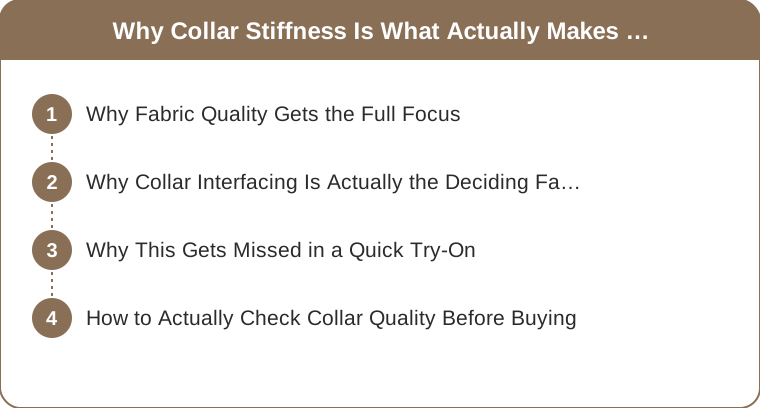
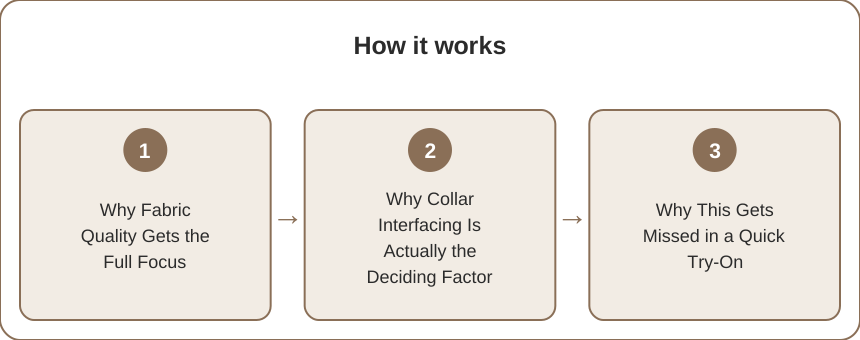
Why Fabric Quality Gets the Full Focus
The tactile-check default: running fingers over a shirt’s main body fabric to judge weight, softness, and thread count being the most natural, hands-on way to evaluate quality, since that’s the largest surface area available to touch and compare.
Why Collar Interfacing Is Actually the Deciding Factor
The construction detail: a stiff, fused or sewn-in interfacing layer inside the collar being what holds its shape through a full day of wear and washing, and a shirt with beautiful fabric but thin or poorly fused interfacing will still have a collar that goes soft and curls by midday, undermining the polished look the rest of the shirt is trying to achieve.

Why This Gets Missed in a Quick Try-On
The overlap: a collar looking perfectly crisp straight off the hanger or fresh from the store regardless of interfacing quality, since it hasn’t yet gone through a wear cycle or a wash, which means the collar’s real durability doesn’t reveal itself until well after the purchase decision is made.
How to Actually Check Collar Quality Before Buying
The practical test: gently pressing and releasing the collar points to feel for a springy, structured resistance rather than a soft, flat give, and checking after a first wash whether the collar still holds its shape, and the frame (collar interfacing, not fabric alone, determines whether a shirt collar stays crisp — testing its structure is what actually predicts a shirt’s polished lifespan.)
A white shirt’s overall quality gets judged mainly by the fabric, checking thread count and cotton feel while trying it on. But the collar’s interfacing, the stiffening layer sewn inside, is what actually determines whether it holds a crisp shape or goes soft within a few hours, regardless of how nice the main fabric is. A collar looks perfectly crisp straight off the hanger regardless of interfacing quality, since it hasn’t gone through a wear cycle yet, so its real durability doesn’t reveal itself until after the purchase. Gently pressing the collar for springy resistance and checking it after a first wash is what actually predicts a shirt’s polished lifespan.
Keep Reading
This article is for general styling and informational purposes only. Trends, sizing, availability and pricing may vary by brand and season.